Oil, Gas & Petrochemical Operations
Refining, petrochemicals, production, process operations and plant troubleshooting.
- 30
- Courses
Courses in this Category
Professional Level Program in Understanding of Plant Operations
Build working knowledge of plant and equipment specifications, how they function and the processes around them, including current ammonia and urea technologies. Participants gain confidence with manufacturer manuals and the basic requirements for maintaining plant and equipment.
Strategic Level Program in Product Loading and Transfer
Master the procedures, regulatory requirements and reporting that govern product loading and transfer. Participants learn to reduce product degradation and energy use during conveying, cut unplanned stoppages on conveying equipment, and troubleshoot blockages and problem systems with confidence.
Strategic Level Program in Product Knowledge
Develop in-depth understanding of the organisation's export products and their specifications. Participants learn to read and interpret the specifications issued by the organisation's Laboratory team and apply them confidently in day-to-day operational and commercial decisions.
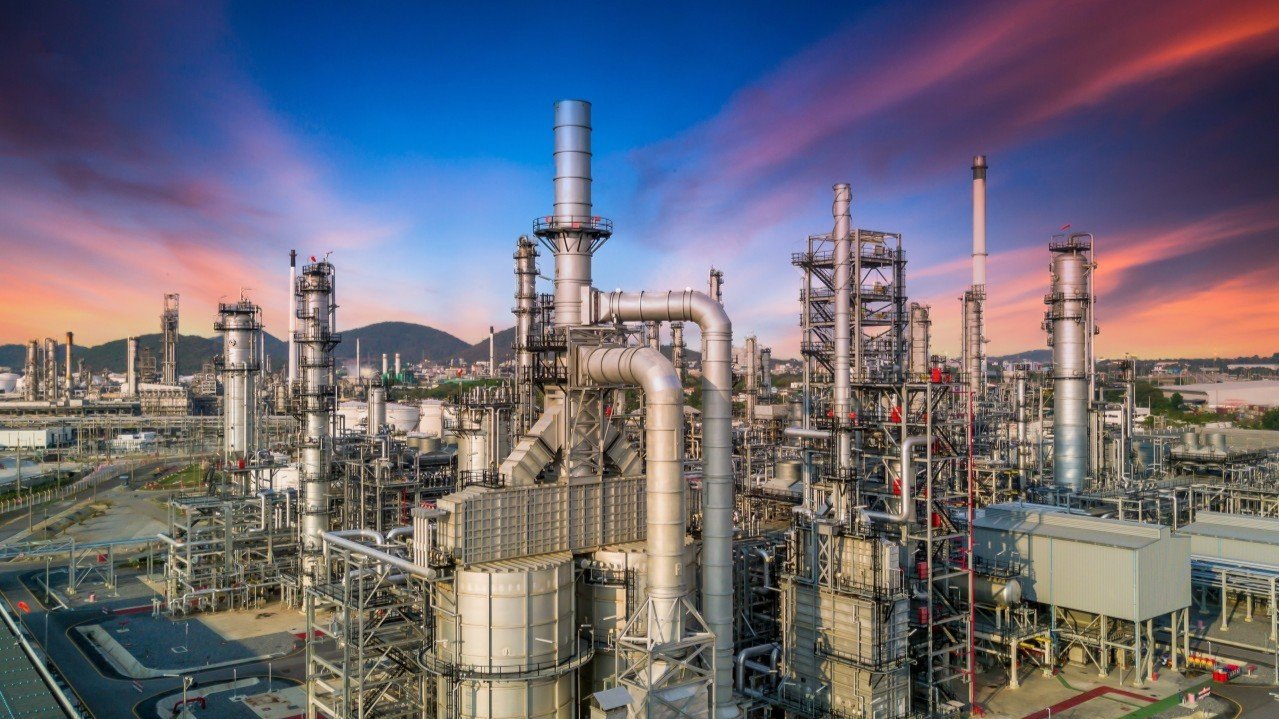
Refinery Process Plant Troubleshooting & Problem Solving
Build a structured approach to diagnosing problems across refinery separation, conversion and treating units. Participants learn how the major process stages interact, where upsets typically originate, and how to work from symptoms to root cause without disrupting product specifications.
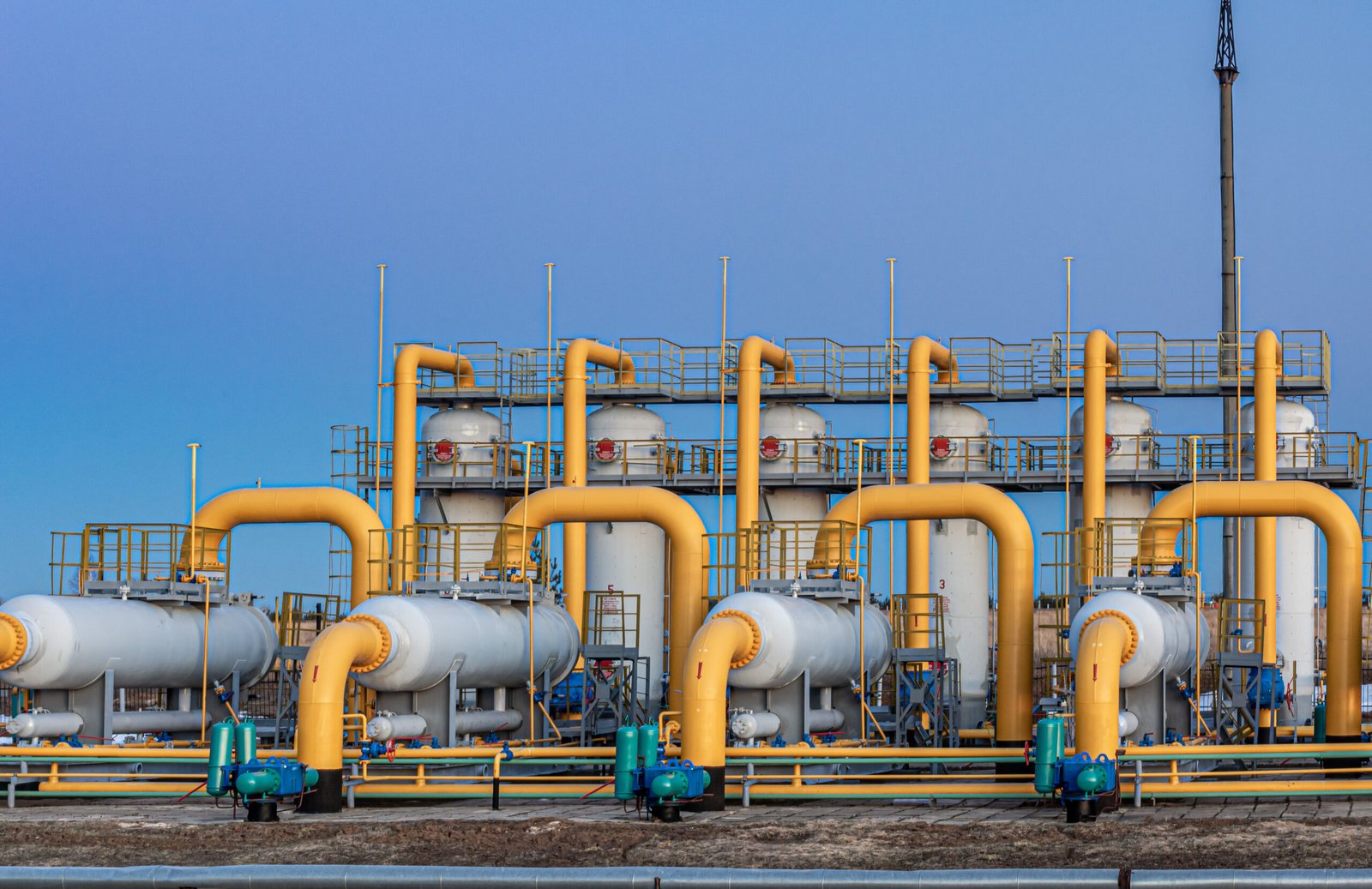
Heavy Oil Gathering and Transport System (Oil Movement)
Build in-depth knowledge of heavy oil gathering, pipeline operation and storage facilities. Participants examine the movement systems and modern technologies used across production and transport, and how each contributes to safer, more efficient and more reliable petroleum operations.
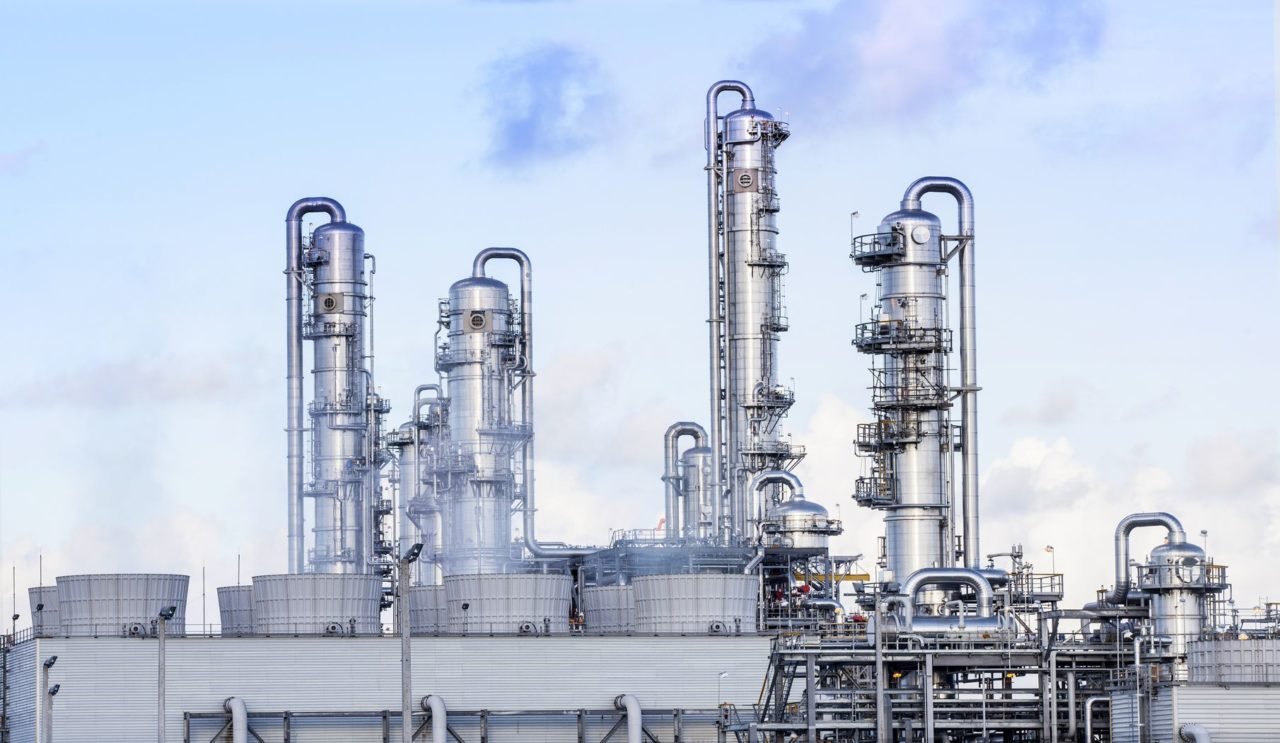
Process Plant Shutdown and Critical Activities: Isolation, Start-Up & Commissioning
Understand where shutdowns sit in the life cycle of a process plant, and how planned, emergency and corrective shutdowns differ. Participants work through shutdown planning and preparation, and the critical isolation procedures that keep the event safe from first valve to restart.