Strategic Level Program in Product Loading and Transfer
Master the procedures, regulatory requirements and reporting that govern product loading and transfer. Participants learn to reduce product degradation and energy use during conveying, cut unplanned stoppages on conveying equipment, and troubleshoot blockages and problem systems with confidence.

This subject may be offered at different levels; scope, depth and prerequisites are confirmed for the selected programme.
- Gain process mastery/expertise of product loading and transfer processes procedures and regulatory requirements.
- Acquire mastery of process reporting and process documentation.
- Gain strong awareness of report templates, basic reporting procedures, report generation tools and checklists.
- Learn techniques for reducing product degradation during conveying.
- Learn ways to reduce maintenance, repair and unplanned stoppages to pneumatic conveying equipment.
- Understand methods of reducing energy consumption.
- Learn how to troubleshoot problematic systems.
- Learn how to troubleshoot problematic systems.
- Understand how to eliminate blockages in pneumatic pipelines.
- Understand relevant case studies from industry.
Location
Courses may be conducted at one of the following hotels in Kuwait:
- Hilton Garden Inn Kuwait – The Avenues
- Hilton Kuwait Resort – Mangaf
- Jumeirah Messilah Beach Hotel & Spa
- Radisson Blu Hotel Kuwait
Or at the client’s premises.
Related Courses
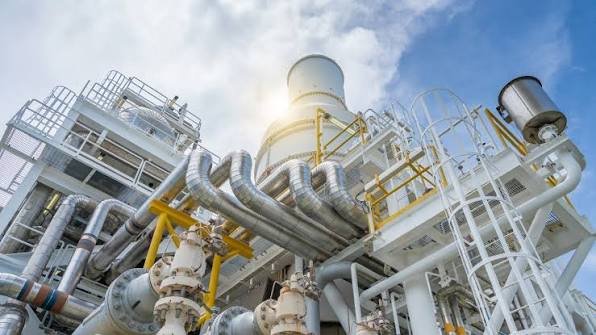
Fundamentals of Petrochemicals Industry
Understand the technical features, terminology, and primary feedstocks (Oil, Gas, NGLs, Coal) of the petrochemical sector.
Hydrotreating & Hydrocracker Process
Understand the reaction chemistry, catalyst systems and process variables behind hydrotreating and hydrocracking. Participants identify the main equipment and learn to control feed quality, hydrogen partial pressure, space velocity and reactor temperature to hold product specifications.
Operations Abnormalities & Plant Upset
Recognise the early indicators that separate a normal process excursion from a developing plant upset. Participants apply a structured method for diagnosing abnormal conditions across reactors, columns, exchangers and utilities, and learn to prioritise operator action under pressure.