New Heavy Oil Gathering and Transport System (Oil Movement)

Heavy Oil Gathering and Transport System (Oil Movement)

Program Overview


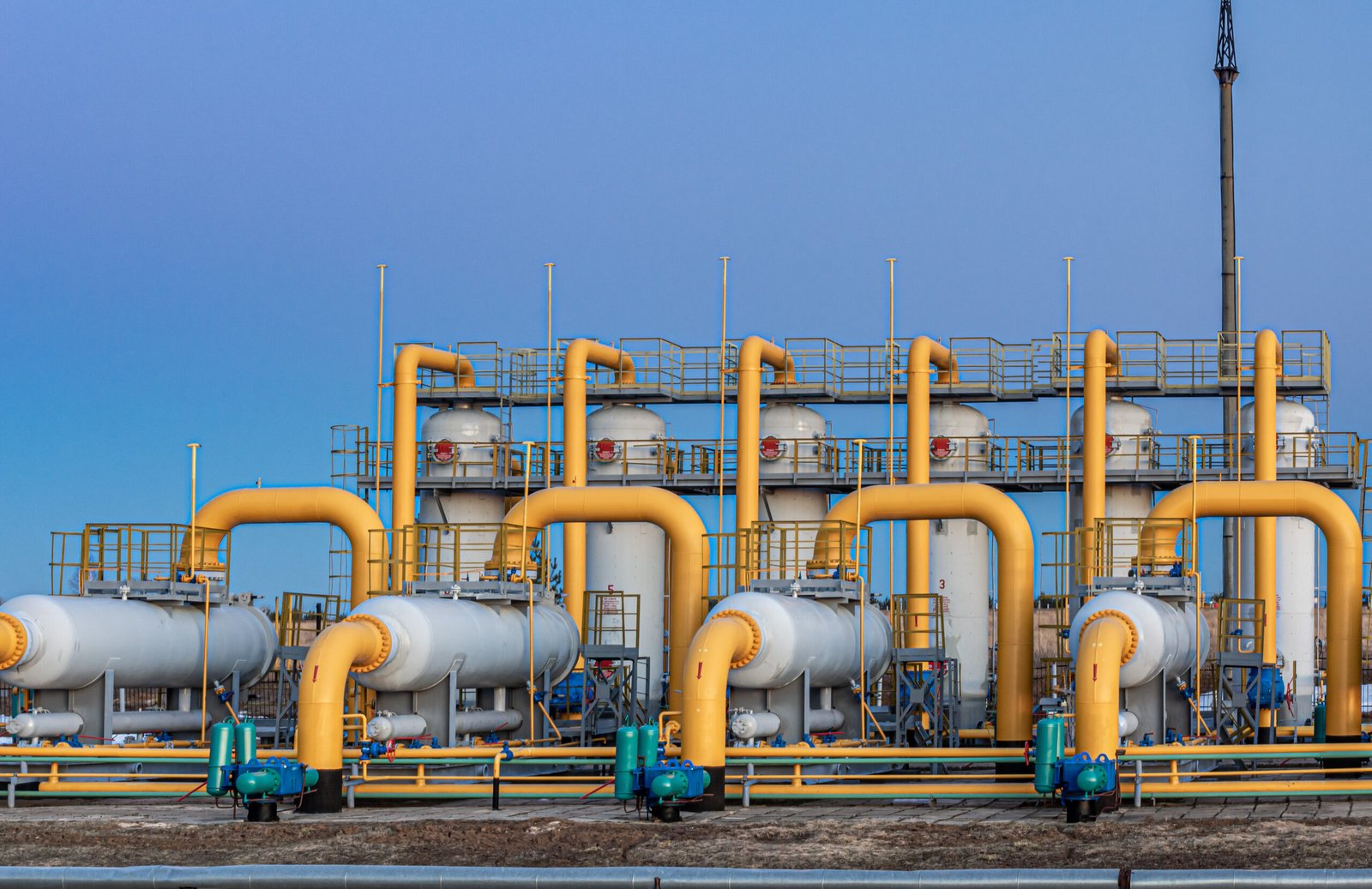
This advanced program is designed for petroleum industry professionals involved in the production, gathering, and transportation of heavy oil. Participants will gain in-depth knowledge of oil movement systems, pipeline operations, storage facilities, and modern technologies that enhance safety, efficiency, and reliability in petroleum operations.


Key Objectives


By the end of this training, participants will be able to:

  • Understand the fundamentals of heavy oil properties and flow behavior.
  • Analyze gathering system configurations and design considerations.
  • Apply best practices for pipeline operation, integrity, and maintenance.
  • Evaluate challenges in heavy oil transportation and solutions (heating, additives, diluents, etc.).
  • Implement effective monitoring, control, and safety procedures.
  • Improve decision-making in oil movement logistics and emergency handling.


Course Outline (5 Days)


Day 1:

  • Introduction to Heavy Oil Characteristics
  • Flow Behavior, Viscosity Challenges, and Treatment Methods
  • Gathering System Configurations and Field Applications


Day 2:

  • Design Principles of Oil Gathering Systems
  • Storage Tanks, Separators, and Booster Stations
  • Pipeline Layouts and Operational Considerations


Day 3:

  • Transportation Challenges of Heavy Oil
  • Heating Systems, Blending, and Chemical Additives
  • Case Studies from Petroleum Industry


Day 4:

  • Oil Movement Operations and Logistics
  • SCADA Systems and Automation in Oil Transport
  • Safety, Risk Assessment, and Emergency Procedures


Day 5:

  • Integrity Management of Gathering and Transport Systems
  • Maintenance Strategies and Best Practices
  • Group Workshop & Final Case Study (Problem Solving)
  • Wrap-up and Key Lessons Learned


Who Should Attend

  • Petroleum Engineers
  • Process & Production Engineers
  • Pipeline & Transport Engineers
  • HSE Managers and Supervisors
  • Field Operators and Oil Movement Staff

Related Courses
Clean Energy Training Program

Clean Energy Training Program

Target Audience:Engineers and TechniciansPower Plant OperatorsHSE and Sustainability TeamsSupervisors and AdministratorsProfessionals working in energy and environmental projects Days 1–3: Classroom TrainingDay 1 – Clean Energy and Sustainability ConceptsDefinition of clean energy and renewable energyDifference between Clean Energy, Renewable Energy, and Green EnergyImportance of clean energy in sustainable developmentClean energy sources: Solar energy Wind energy Hydropower BioenergyEnvironmental and economic impacts of clean energyDay 2 – Clean Energy Technologies and SystemsSolar energy systems: Solar PV systems Solar thermal systems (concepts)Wind energy systemsHybrid energy systemsEnergy storage systems: Battery systems Energy storage conceptsGrid integration of clean energy (conceptual overview)Day 3 – Safety, Management, and StandardsSafety in clean energy projectsOccupational hazards in renewable energy systemsClean energy project managementKey Performance Indicators (KPIs) in energy projectsOverview of standards and policies: Sustainability principles Carbon neutrality Environmental regulationsDays 4–5: On-the-Job Training (OJT)Day 4 – OJT (Field Application 1)Field visit to a clean energy site: Solar power plant Wind power plant Hybrid energy facilityIdentification of main system componentsField risk identificationReview of site safety proceduresObservation of daily operational activitiesDay 5 – OJT (Field Application 2)Monitoring system operation during live workApplication of safe work proceduresDiscussion of real operational challengesLinking performance with energy production and sustainabilityFinal session: Lessons learned Recommendations for performance and sustainability improvement Program Outcomes:Understand clean energy concepts and technologiesIdentify renewable energy systemsComply with safety requirementsSupport sustainability and clean energy projectsContribute to reducing environmental impactTraining Materials:PowerPoint presentations (PPT)Clean energy system diagramsField checklistsSafety and sustainability templatesCertificate of Completion

Clean Energy Economics: A Strategic Investment for Tomorrow

Clean Energy Economics: A Strategic Investment for Tomorrow

About the ProgrammeClean energy represents far more than an environmental imperative4it is a transformative economic catalyst reshaping global markets. This intensive 5-day programme equips professionals with the strategic insights and practical frameworks needed to understand, evaluate, and advocate for clean energy investments that drive sustainable economic growth. Course Structure & OutcomesThis comprehensive programme provides delegates with a robust understanding of clean energy economics, policy frameworks, and investment strategies. Participants will develop the analytical tools and communication skills necessary to present compelling business cases to senior leadership. Delivery Format: Interactive workshops, case studies, and presentation CoachingTarget Audience:Strategic Impact for Your TeamOperational Savings: Reducing long-term operational costs and energy price volatility.Future-Proofing: Protecting the organization against future carbon pricing and regulatory changes.Competitive Edge: Gaining a strategic position in carbon-consciousmarkets to attract investment and customers. Final Deliverable: Each delegate will present a strategic proposal to their management team, demonstrating the economic rationale for clean energy adoption within their organisation's context. 1. Economic FundamentalsCost-benefit analysis and ROI modelling 2. Policy & MarketsRegulatory frameworks and incentives 3. Investment StrategiesRisk assessment and portfolio development 4. CommunicationExecutive presentation techniques 5. Capstone ProjectStrategic proposal development Target AudienceThis programme is specifically designed for professionals who bridge the gapbetween technical execution and strategic decision-making. It is ideal for:Engineers & Technical Specialists: Professionals looking to translate technical clean energy projects into robust business cases using cost-benefit analysis and ROI modelling.Team Leaders & Managers: Individuals responsible for overseeing transitions to sustainable practices and advocating for clean energy investments to senior leadership.Strategic Decision-Makers: Leaders who need to understand how regulatory frameworks and carbon-conscious markets impact their organization’s competitive advantage.Operational Leads: Those focused on mitigating risk against energy price volatility and future regulatory disruptions. Why Clean Energy Economics Matters Now Economic Growth DriverClean energy investments create multiplier effects across the economy, generating employment in manufacturing, installation, and maintenance whilst reducing long- term operational costs and energy price volatility. Competitive AdvantageOrganisations that embrace clean energy gain strategic positioning in increasingly carbon-conscious markets, attracting investment, talent, and customers who prioritise sustainability alongside profitability. Risk MitigationEarly adoption of clean energy technologies protects against future regulatory changes, carbon pricing mechanisms, and supply chain disruptions associated with fossil fuel dependence. This programme ensures your delegates return equipped to articulate these strategic imperatives to decision-makers, positioning your organisation at the forefront of the clean energy transition. Investment in this training is an investment in leadership capability and organisational resilience.